
9 hr
Chiang Mai Elephant Sanctuary with Waterfall & Bamboo Rafting
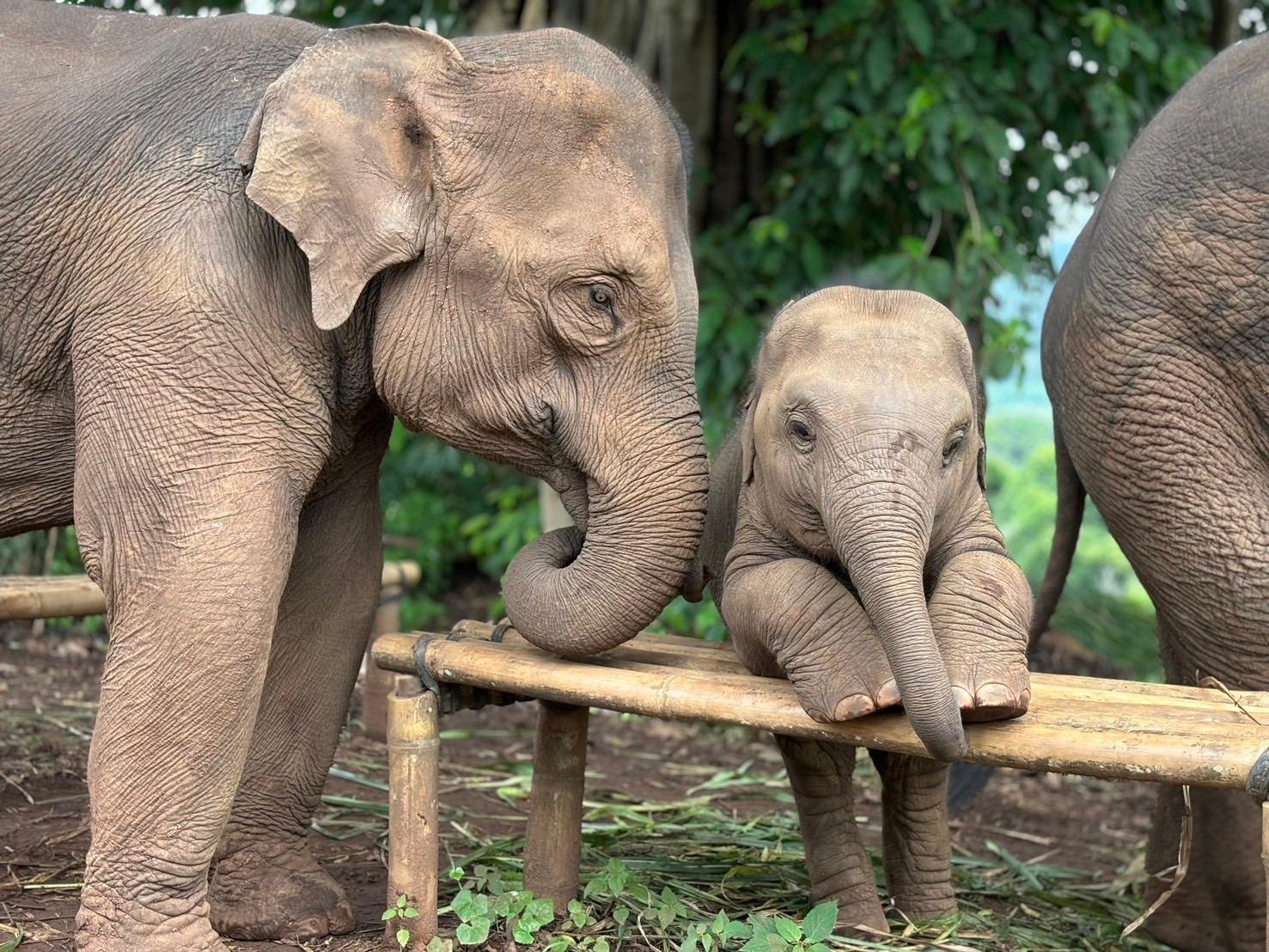
Spend a day with rescued elephants in their natural habitat, swim at a waterfall, and drift down the river on bamboo rafts
Reserve
Hand-picked by our editors — only the best 5 experiences from 12 reviewed.
Verified partners for every tour, free cancellation where available, and instant confirmation on every booking.
9 hr
Spend a day with rescued elephants in their natural habitat, swim at a waterfall, and drift down the river on bamboo rafts
Reserve
9 hr
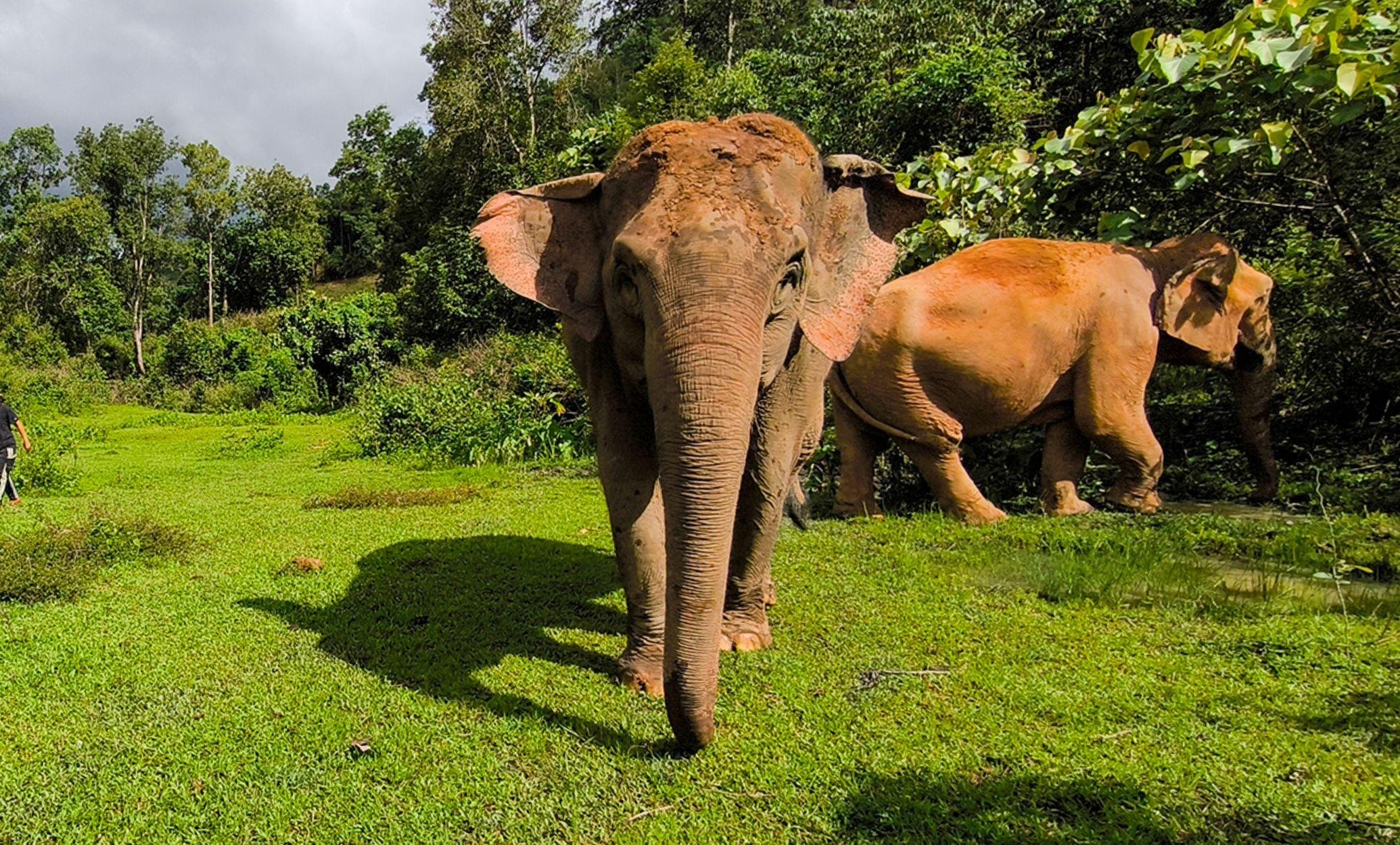
Watch elephants roam free in a jungle sanctuary, then drift down the Wang River on a traditional raft
Reserve
8 hr 30 min
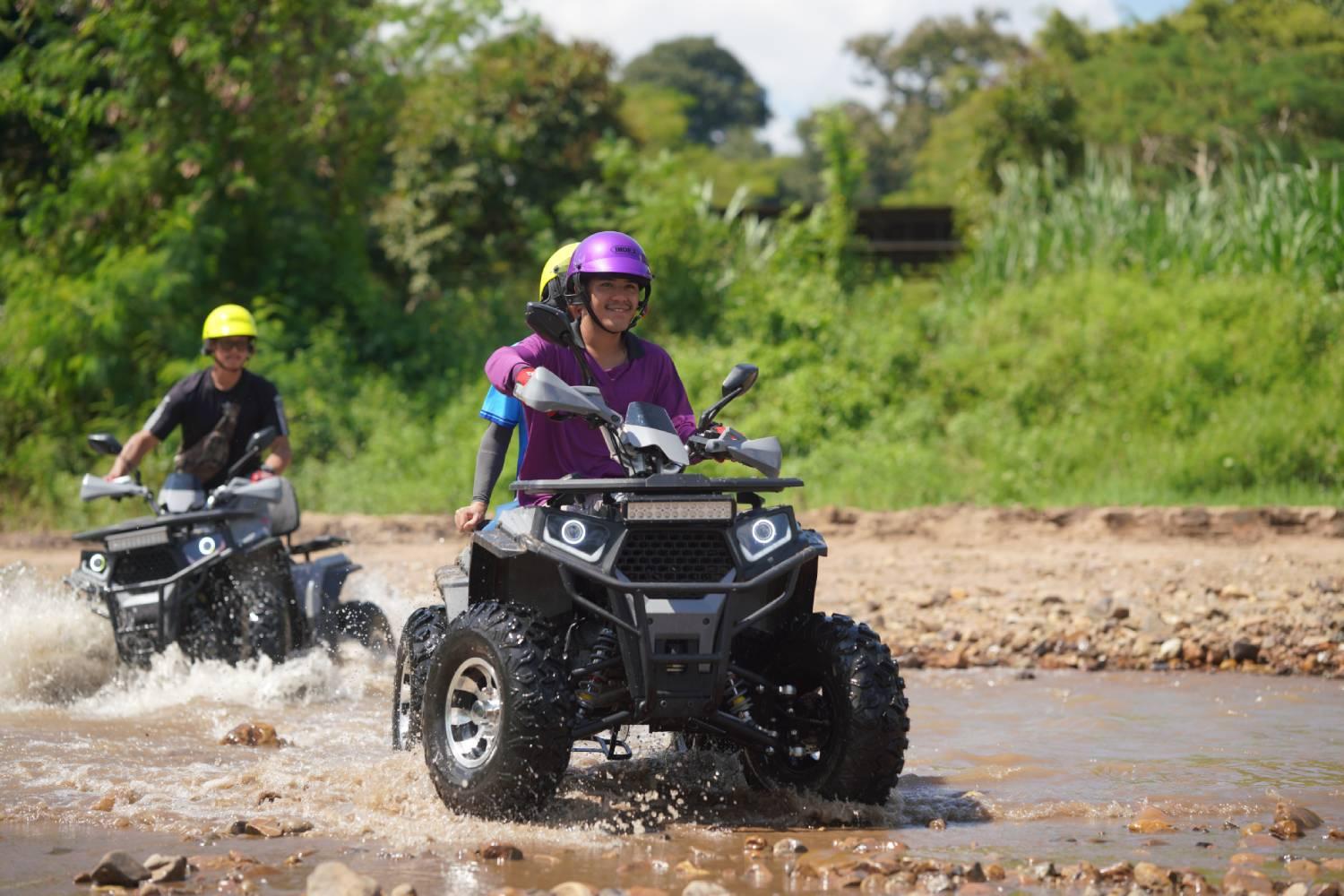
Explore northern Thailand's scenic valley with off-road driving, river rafting, and ethical elephant encounters
ReservePrices from verified partners. Availability updates in real time at checkout. Free cancellation policies apply where shown.
The landmarks, rooms, and views travelers on this tour remember — all visible on a single visit.
The river is lined with lush tropical vegetation and limestone cliffs. It serves as the primary route for all bamboo rafting chiang mai elephant tours.
Visitors seeking bamboo rafting chiang mai elephant tours should choose the Mae Wang river for gentle relaxation, while the Pai River serves those wanting high-adrenaline water rapids. These options complement each other; travelers who prefer serene landscapes favor the local Mae Wang experience, while adventure seekers often label the Pai River the more thrilling choice.
| Feature | Top pick Mae Wang Rafting | Pai River Rafting |
|---|---|---|
Experience intensity |
Relaxing and scenic | High-octane whitewater |
Elephant interaction availability |
Frequently integrated | Typically separate |
Skill level required |
None - passive sitting | Basic physical fitness |
Water calm level |
Very calm currents | Fast-moving rapids |
Adventure suitability |
Suitable for families | Targeted at thrill-seekers |
Average duration |
1.5–2 hours | 3–5 hours |
| See tickets → |
Verdict: Select your bamboo rafting chiang mai elephant tickets based on your preference for a peaceful nature float or an active whitewater journey through remote jungle terrain.
Choose your ticket, select your date, and reserve in under two minutes. Secure checkout handled by our verified partner.
Instant confirmation by email, with a mobile voucher you can save offline. No printing, no queuing at a collection desk.
Arrive at the entrance, show your voucher on your phone, and walk in. Most tickets include priority or skip-the-line access.
Practical details for your visit straight from our verified partners — hours, access, rules, and how to get there.
Mae Wang District
Main staging area for rafting
Hire a private taxi from Chiang Mai for a day trip.
Wear light, quick-drying clothing and sturdy sandals or water shoes. You will likely get wet during your bamboo rafting chiang mai elephant excursion.
Use a waterproof dry bag for your belongings. Large suitcases should be left at your hotel as there is no secure facility for oversized luggage.
Bring a waterproof camera or a floating phone pouch. The Mae Wang River offers excellent opportunities to document your bamboo rafting chiang mai elephant experience.
The riverbank and bamboo rafts are not wheelchair accessible. Participants must be able to step securely onto the floating bamboo platforms.
Children are welcome on bamboo rafting chiang mai elephant tours but must wear life jackets at all times. Rafts fit up to 3 people, allowing families to ride together.
Small local stalls near the Mae Wang River sell water and snacks. It is recommended to carry a refillable water bottle during your bamboo rafting chiang mai elephant tour.
Best time to go, insider tips, nearby landmarks, and the cancellation fine print — flip through to skim what matters to you.
How crowds, weather, and events shift across the year.
November to February offers comfortable temperatures and lower humidity. This is the prime period for booking bamboo rafting chiang mai elephant tickets.
Small details that turn a good visit into a great one.
Always keep electronics in a dry bag to protect them from river splashes.
Non-bookable sights within a short walk — free to visit, easy to pair.
Temple featuring a large seated Buddha statue.
A secluded waterfall accessible via local paths.
Flexible, no hidden fees.
Full refunds are available for cancellations made at least 24 hours in advance. No refunds are provided for the 600 THB raft fee if cancelled within the 24-hour window.
Hand-picked options within walking distance — pick a district for vibe, or a specific hotel for convenience.
Sustainable lodge near river activities.
Central hotels providing tour pickups.
The Mae Wang River drops 400 metres through forested gorges between Doi Inthanon's eastern slopes and the Chiang Mai basin, carving a corridor that has carried teak logs, trade goods, and hand-lashed bamboo rafts for three centuries. Today the river flows past seven registered elephant sanctuaries, and bamboo rafting Chiang Mai elephant experiences trace the same currents that Karen and Lanna communities navigated long before motorized tourism reached the district. The raft construction itself follows techniques unchanged since the 18th century: twelve bamboo poles lashed with rattan, a flat deck that sits ten centimetres above the waterline, and a single steering oar carved from ironwood. Bamboo rafting Chiang Mai elephant tours depart from put-in points along Route 1013, where the Mae Wang widens into Class I pools beneath gallery forest. The river's gradient drops to one per cent, slow enough that herds from nearby sanctuaries cross to graze on opposite banks. Rafts drift at walking pace past bathing platforms where elephants wade shoulder-deep, their mahouts scrubbing sun-baked skin with tamarind bark. The float covers two to four kilometres depending on water levels, passing sediment bars where kingfishers hunt and strangler figs anchor the bank. Northern Thailand's monsoon hydrology shapes the experience: June through October sees flows double and the river turn ochre with upland silt; December through April offers clear water and exposed gravel banks where turtle nests cluster. The Mae Wang corridor supports 68 resident elephants across its sanctuary network, most retired from logging camps that closed after Thailand's 1989 timber export ban. Sanctuaries along the river follow mahout-led care models rather than pure observation protocols, allowing visitors to witness traditional bathing routines and forest foraging. Bamboo rafting inserts travelers into this landscape without physical interaction, offering a river-level perspective as herds move between feeding zones. The experience pairs naturally with sanctuary visits, ATV jungle trails, and upstream treks to sticky waterfalls, forming half-day and full-day itineraries that ground visitors in the district's ecological rhythms. Mae Wang remains less trafficked than Mae Taeng's commercial rafting circuit thirty kilometres north, preserving a pace where the river, not the schedule, dictates the journey.
"The raft construction follows techniques unchanged since the 18th century: twelve bamboo poles lashed with rattan, a flat deck ten centimetres above the waterline."
A step-by-step walkthrough of the visit — what you'll see, how long each stage takes, and the details that matter.
You arrive at the riverbank before mid-morning heat settles into the valley, where your raft captain secures bamboo poles with fresh rattan ties and tests the ironwood oar against the current. You step onto the deck—the bamboo flexes slightly under your weight but holds firm—and push off from the gravel bar into the main channel. The Mae Wang pulls you south at two kilometres per hour, slow enough to count individual trees along the bank. Within ten minutes you round a bend and spot the first herd: three adults and a calf standing shoulder-deep in a side pool, trunks spraying water across their backs while a mahout scrubs behind their ears with tamarind bark. Your raft drifts within twenty metres—close enough to hear the suction of mud under their feet and the low rumble they exchange. The captain steers toward the centre channel to avoid disrupting their bath. Ahead, the river splits around a sediment island thick with bamboo groves; you take the left fork, passing under a canopy where hornbills nest and limestone outcrops rise from the forest. The float lasts thirty to forty-five minutes, ending at a take-out point where longtail boats idle and the road climbs back toward sanctuary gates. You step off the raft onto solid ground, your shoes still dry, the river's rhythm still pulsing in your ears.
The site is open daily from 06:00–18:00.
Yes, families often enjoy these tours, provided children wear life jackets at all times during the bamboo rafting chiang mai elephant excursion.
The cost is 600 THB per bamboo raft, which fits up to 3 people.
The best arrival window is 08:00–11:00 to avoid mid-day heat.
Yes, photography is encouraged, but ensure your gear is in a waterproof bag during your bamboo rafting chiang mai elephant adventure.
Wear light, quick-drying clothes and secure water shoes.
Booking is recommended to secure a raft, especially for your bamboo rafting chiang mai elephant trip.
Small stalls offer drinks and light snacks near the riverbank.
Full refunds are available for cancellations made at least 24 hours in advance.