
English| EUR
Suggested for you
More currencies
Choose a language
Mae Wang River offers one of northern Thailand's most authentic bamboo rafting experiences, yet pricing remains opaque for first-time visitors. This guide clarifies what you'll pay, what influences the cost, and how to secure a fair rate for a traditional bamboo raft journey through the jungle.
Quick answer
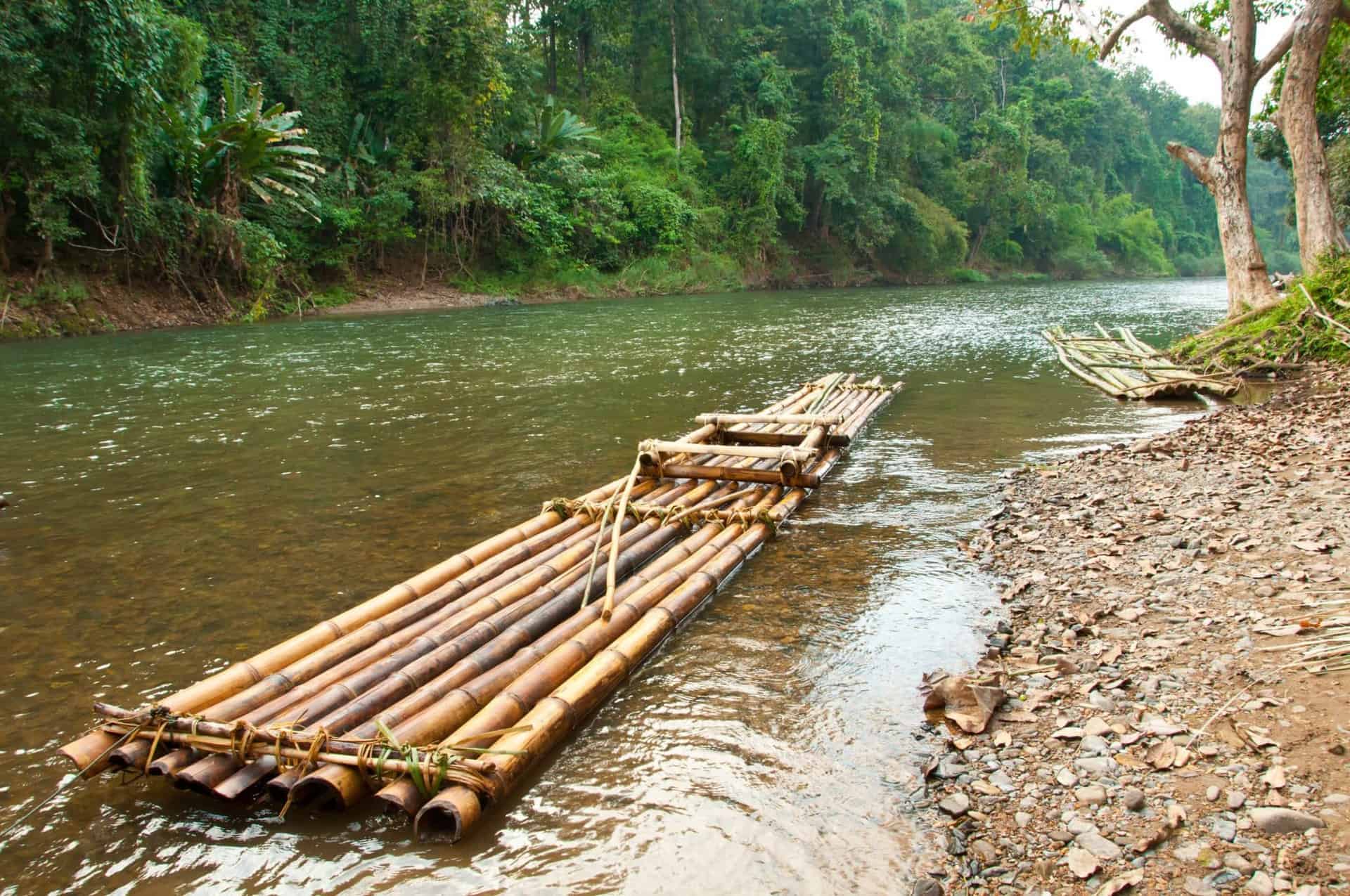
Bamboo rafting on Mae Wang River costs approximately 400–800 THB per person for a standard one-hour journey, with rates varying by group size, raft rental terms, and whether a guide accompanies you. The river itself charges no entrance fee—you pay only for the private bamboo raft service. Solo travelers typically pay higher per-person rates, while groups of four or more secure the most economical pricing per head.
The Mae Wang River cuts through dense forest twenty-five kilometers southwest of Chiang Mai, and its bamboo rafting tradition predates modern tourism by generations. Local Karen and Lisu villagers once used these woven platforms to transport goods downstream; today, visitors ride the same handmade rafts while boatmen pole through shallow rapids and calm pools. Understanding bamboo rafting Chiang Mai price structures requires recognizing that you're hiring both craft and guide, not purchasing a fixed-rate ticket. Most operators quote rates per raft rather than per passenger, with each raft accommodating two to six people depending on design. A typical two-person raft runs 800–1,200 THB for a one-hour float, translating to 400–600 THB per person when shared. Larger rafts carrying four to six passengers cost 1,600–2,400 THB total, dropping the individual cost to 400 THB or less. Solo travelers face the steepest per-person rates because they absorb the full raft hire cost, often 800–1,000 THB for the same journey. Rates increase during Thai national holidays and December-through-February peak season, when demand from both international and domestic visitors surges. The Mae Wang stretch offers two primary routes: a gentle one-hour drift covering three kilometers, and an extended ninety-minute journey incorporating side channels and a village stop. Most first-time visitors choose the shorter route, which provides sufficient time to appreciate the riverine ecosystem—kingfishers, monitor lizards, and forested limestone karst—without fatigue. The longer route adds 200–300 THB per raft. Some operators bundle bamboo rafting with elephant sanctuary visits or hill-tribe village tours, but standalone raft bookings allow greater schedule flexibility and transparent pricing. River access remains free; you're paying artisan boatmen for their skill navigating shallow water and their intimate knowledge of seasonal flow patterns. Booking directly with Mae Wang village cooperatives often yields better rates than resort-arranged packages, though you'll need to arrange your own transport from Chiang Mai. The best arrival window runs from nine in the morning until two in the afternoon, when sunlight filters through the canopy and water levels provide comfortable clearance over rocks. Early morning mist obscures views, and late afternoon departures risk incomplete journeys as daylight fades. Wet-season months from June through October bring higher, faster flows that alter both the experience and the cost of bamboo rafting Chiang Mai price structures, as boatmen require greater skill to manage stronger currents.
“You're hiring both craft and guide, not purchasing a fixed-rate ticket.”
Access to the Mae Wang River area is free of charge, as there is no formal admission fee to enter the site. Actual costs for bamboo rafting are determined by independent local operators who provide the rafts and river guides.
Verdict: While entry to the location is 0 THB, travelers typically pay a variable market rate for rafting services based on the specific operator chosen.
The best arrival window is 09:00–14:00, which provides optimal water flow and sufficient daylight for a scenic bamboo rafting experience on the Mae Wang River. Planning your visit during this period ensures the most comfortable conditions for navigating the waterway.
—
Arriving early helps avoid the larger groups that typically gather by midday.
Cooler, 15°C–30°C
Water levels are lower but the weather remains comfortable for outdoor activities.
Hot, 30°C–40°C
Expect higher temperatures; rafting provides a cooling experience on the water.
Humid, 24°C–32°C
River flow increases, sometimes affecting water clarity, but the surrounding landscape is lush.
Verdict: The optimal time to visit is during the 09:00–14:00 window, particularly between November and February when temperatures are most comfortable.
Bamboo rafting operations on the Mae Wang River maintain a consistent daily schedule to accommodate visitors throughout the week.
The Mae Wang River bamboo rafting area is located in Mae Win, Mae Wang District, approximately 50 kilometers southwest of Chiang Mai city center. The most direct approach is by private vehicle or pre-arranged transport, as public transit does not provide direct access to the rafting sites.
Highway 108 to Highway 1013
Direct transfer from Chiang Mai city
Shared taxi from Chiang Mai Gate to Mae Wang
Plan your travel to reach the site within the recommended arrival window of 09:00–14:00 to ensure optimal daylight and water flow conditions. Visitors typically coordinate with local transport providers to secure a return journey, as independent transit options are limited in the Mae Win area.
Plan ahead to make the most of your Mae Wang River bamboo rafting experience.
Everything you need to know about bamboo rafting chiang mai price
The bamboo rafting chiang mai price varies based on the private provider you choose, as official entry to the location is free. You will need to negotiate or book rates directly with local operators once you reach the riverbank.
There is an entrance fee of 0 THB for accessing the site, meaning you do not pay to enter the area itself. Fees only apply when you decide to engage a private bamboo raft service for a journey down the stream.
Child rates for bamboo rafting in Chiang Mai are generally negotiated with local raft operators at the site. Because there is no standard government-set bamboo rafting chiang mai price, parents should clarify costs before boarding.
Local excursion packages often exclude transit from the city, so be prepared to arrange your own travel to Mae Win. The bamboo rafting chiang mai price usually covers only the water-based service provided by the local boatmen.
The best arrival window is between 09:00 and 14:00, which ensures you have optimal water flow and sufficient daylight for the trip. Visiting during these hours provides the most comfortable conditions for your tranquil river drift.
Most operators provide a local navigator to steer the raft, and this service is typically included in the final bamboo rafting chiang mai price. Ensure you confirm that a guide is included in your private booking before you depart.
It is recommended to bring water-friendly footwear, a change of clothes, and sun protection for your river adventure. These items will keep you comfortable while sitting on the raft and navigating the shallow currents.
While the base entrance is free, private operators may adjust their rates depending on local demand and water conditions. Always verify the current bamboo rafting chiang mai price with the specific provider you select on the day of your visit.
Chiang Mai Bamboo Rafting Tours
Read more GuideBamboo Rafting in Mae Wang
Read more GuideChiang Mai Bamboo Rafting Reviews
Read more Tickets & toursElephant and Bamboo Rafting Tours
Read more GuideBamboo Rafting FAQ and Meaning
Read more Tickets & toursHalf Day Bamboo Rafting Tours
Read more